
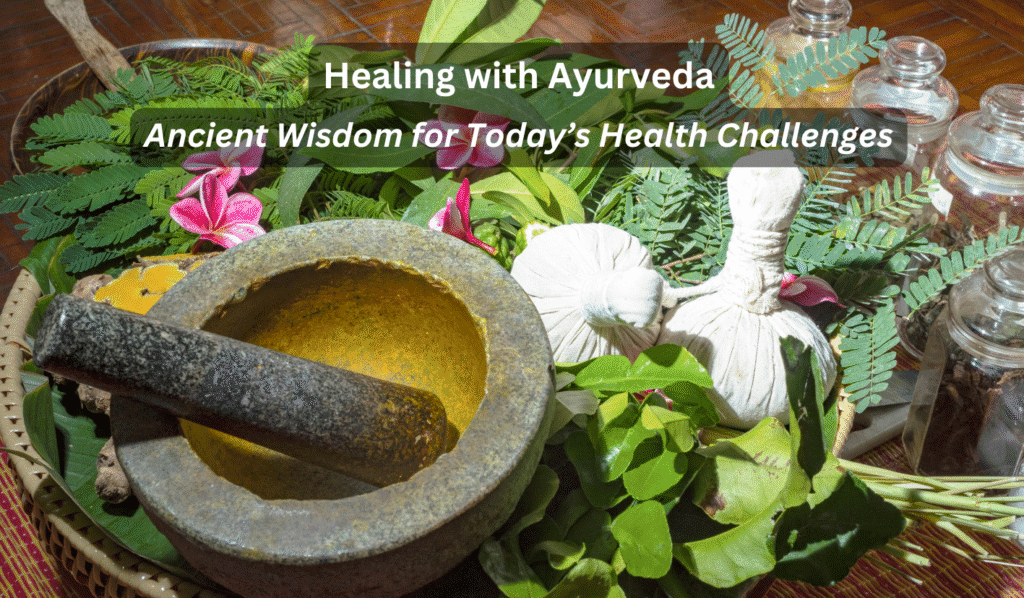
Healing in Modern Times with Ayurveda’s Ancient Secrets
In an age where health concerns are increasingly complex, chronic disorders are rising, and modern lifestyles are pulling people away from natural balance, the world is rediscovering the profound wisdom of Ayurveda for healing. This ancient Indian science—more than 5,000 years old—remains extraordinarily relevant today because it addresses what modern medicine often overlooks: the root cause of disease.
While clinical advancements have transformed acute care, people dealing with long-term digestive issues, stress, hormonal imbalance, autoimmune conditions, skin disorders, fatigue, or metabolic disorders often seek deeper relief. Ayurvedic healing responds to this need with a holistic, personalised, and preventive approach that considers the interconnectedness of body, mind, and spirit.
This article explores the philosophy behind Ayurveda, its therapeutic principles, and how Ayurvedic healing offers sustainable wellness in modern times—along with internal guidance links for deeper learning.
Ayurveda: A Holistic Science with Timeless Relevance
At the heart of Ayurveda lies the understanding that everything in the universe—including the human body—is governed by three bio-energetic forces known as doshas: Vata, Pitta, and Kapha. Every individual is born with a unique constitution (Prakriti), shaped by varying proportions of these doshas.
Understanding these forces is foundational to Ayurveda for healing, because every disorder originates from an imbalance in one or more doshas.
Understanding the Three Doshas
Vata (Air + Ether)
- Governs movement, circulation, breathing, and the nervous system
- When imbalanced: anxiety, insomnia, constipation, dryness, fluctuating appetite, restlessness
Pitta (Fire + Water)
- Governs digestion, metabolism, hormones, intelligence, and body temperature
- When imbalanced: acidity, anger, inflammation, skin rashes, ulcers, excessive hunger
Kapha (Earth + Water)
- Governs stability, lubrication, immunity, strength, emotional groundedness
- When imbalanced: weight gain, lethargy, congestion, water retention, depression
Ayurveda’s beauty lies in its personalization. Instead of treating a disease, it treats the person experiencing it—taking into account constitution, lifestyle, environment, diet, sleep, emotions, and habits.
Why Modern Life Needs Ayurveda More Than Ever
Today’s lifestyle patterns—irregular eating, stress, poor sleep, overuse of screens, ultra-processed foods—continuously disrupt natural rhythms. This results in:
- Digestive weakness
- Hormonal disturbances
- Poor immunity
- Chronic inflammation
- Anxiety, fatigue, burnout
- Skin disorders
- Sleep disturbances
Modern medical care is exceptional in emergencies but often provides short-term relief in chronic issues by treating symptoms. By contrast, Ayurveda for healing focuses on the root cause—agni (digestive fire), dosha imbalance, toxin accumulation, and mental stress patterns.
The result is deeper, more sustainable healing.
How Ayurveda Approaches Healing: A Holistic Framework
Ayurvedic healing rests on four interconnected pillars:
1. Personalised Diagnosis
Every individual is different, so treatments must align with Prakriti (constitution), Vikriti (current imbalance), digestive strength, lifestyle, age, and emotional health.
2. Root-Cause Correction
Ayurveda identifies underlying disturbances such as impaired digestion, toxin buildup (ama), blocked channels (srotas), or suppressed emotions.
3. Lifestyle & Routine Alignment
Healing requires harmonising daily rhythms with nature through correct sleep, mindful eating, movement, and seasonal routines.
4. Natural Therapies & Herbal Support
Ayurveda uses herbs, oils, diet, yoga, meditation, and Panchakarma to gently restore internal balance.
This combined framework makes Ayurveda for healing especially effective for modern chronic disorders.
Ayurveda for Digestive Disorders
Digestive issues such as IBS, acidity, bloating, chronic constipation, and weak metabolism are among the most common lifestyle-related problems today. Ayurveda views digestion (agni) as the cornerstone of health—if digestion is impaired, toxins form and circulate throughout the body.
Ayurvedic healing includes:
- Agni-strengthening herbs such as Triphala, Jeerakadi, Musta
- Gut-cleansing routines
- Dosha-specific diet plans
- Mindful eating habits
- Gentle yoga for gut mobility
These interventions don’t just suppress symptoms—they restore long-term digestive wellness.
For deeper guidance on detox, metabolism reset, and digestive balance, you can read our Panchakarma & Detox guidance:
👉 https://shantitheeram.in/ayurvedic-detox-in-kerala/
Ayurveda for Stress, Anxiety & Emotional Imbalance
Stress-triggered disorders are rising more rapidly than any other category. Imbalanced Vata is often at the root of:
- Anxiety
- Panic
- Insomnia
- Mind racing
- Nervous system irritation
- Chronic fatigue
Ayurveda uses a combination of grounding diet, calming herbs, lifestyle correction, and therapeutic practices such as:
- Ashwagandha, Brahmi, Jatamansi
- Meditation and pranayama
- Warm, stabilising foods
- Restorative yoga
- Oil therapies like Abhyanga and Shirodhara
These interventions calm the nervous system, support hormones, and restore peace.
Ayurveda for Autoimmune & Inflammatory Disorders
Autoimmune conditions such as rheumatoid arthritis, psoriasis, ulcerative colitis, and thyroid-related issues share common patterns in Ayurveda:
- Impaired digestion
- Low or deregulated immunity
- Toxin accumulation
- Internal inflammation
Ayurvedic healing focuses on:
- Panchakarma detox
- Anti-inflammatory herbs like Guduchi, Turmeric, Guggulu
- Dietary purification
- Mental-emotional balance
- Restoring natural immunity
For programs that deeply rejuvenate immunity and metabolism, explore:
👉 https://shantitheeram.in/panchakarma-in-kerala/
Ayurveda for Skin Disorders
Skin is a mirror of internal health. Conditions like eczema, psoriasis, acne, rosacea, and pigmentation arise from a combination of Pitta imbalance and toxin buildup.
Ayurvedic healing includes:
- Internal purification
- Clean, cooling diet
- Herbs such as Neem, Manjistha, and Turmeric
- Stress management
- Abhyanga, herbal packs, and medicated oils
This holistic approach ensures both symptom relief and internal correction.
Ayurveda for Metabolic Disorders & Diabetes
Metabolic syndrome and Type-2 diabetes (Madhumeha) are lifestyle-driven and thus respond well to Ayurveda for healing.
Ayurvedic management includes:
- Low-glycemic natural diets
- Herbs like Gudmar, Jamun, Turmeric
- Panchakarma for metabolic reset
- Daily routine optimisation
- Support for digestion & liver health
Combining detox, diet, and herbs has shown long-term benefits in stability and energy levels.
Rejuvenation, Longevity & Quality of Life
Ayurveda is not only about treating illness—it is about elevating life itself. Rejuvenation therapies (Rasayana) enhance vitality, slow ageing, and support emotional well-being.
Common Rasayana therapies include:
- Abhyanga (warm oil massage)
- Shirodhara (oil pouring therapy for stress release)
- Swedana (herbal steam therapy)
- Herbal tonics and adaptogens
Yoga, meditation, positive thinking, and mindful living are essential components of this lifestyle. At Shantitheeram, yoga is integrated into every Ayurveda program to facilitate deeper harmony.
Explore our core Ayurveda and Panchakarma programs here:
👉 https://shantitheeram.in/panchakarma-in-kerala/
Ayurveda and Modern Medicine: A Complementary Approach
Ayurveda does not oppose modern medicine—it complements it. Many conditions benefit from an integrative approach, especially when supported by proper diagnosis and personalised Ayurvedic guidance.
A qualified Ayurvedic physician evaluates:
- Constitution (Prakriti)
- Current imbalance (Vikriti)
- Digestive health
- Mental-emotional tendencies
- Lifestyle and sleep patterns
- Strength and age
- Medical history
Such precision ensures both safety and effectiveness.
Conclusion: Ayurveda for Healing in the Modern World
As health challenges evolve, Ayurveda stands out as a timeless, dependable, and holistic healing system. Its strength lies in recognising each person as unique, understanding disease at its root, and restoring balance through natural methods.
Whether you seek relief from chronic disorders, want to detox and rejuvenate, or simply wish to adopt a healthier lifestyle, Ayurveda for healing offers a complete path rooted in wisdom and aligned with nature.